
Tourism
Tourism as an activity dates back to antiquity, mainly in the form of religious pilgrimage. Hence the name holy-days (holidays). In its early years, tourism was an aristocratic pursuit, but over the years, with the employment rights won by the middle class, it widened its reach. A tourist trip lasts from the moment travellers leave home until the moment they return. Throughout the trip, they collect experiences, services and products that make up a complete package. The components of a trip include travel to the destination, accommodation, food and drink, and other products such as visits to museums, monuments and parks, and taking part in or watching sporting events (e.g. the World Cup). These products depend on the purpose of the trip and the traveller’s preferences. In recent years, to tackle the acute problem of seasonality, i.e. the concentration of large numbers of tourists in a short period, alternative forms of tourism have been developed, aiming on the one hand to extend the tourist season and improve the quality of services, and on the other to respect an area’s carrying capacity to absorb the ecological footprint and the impact on the environment.
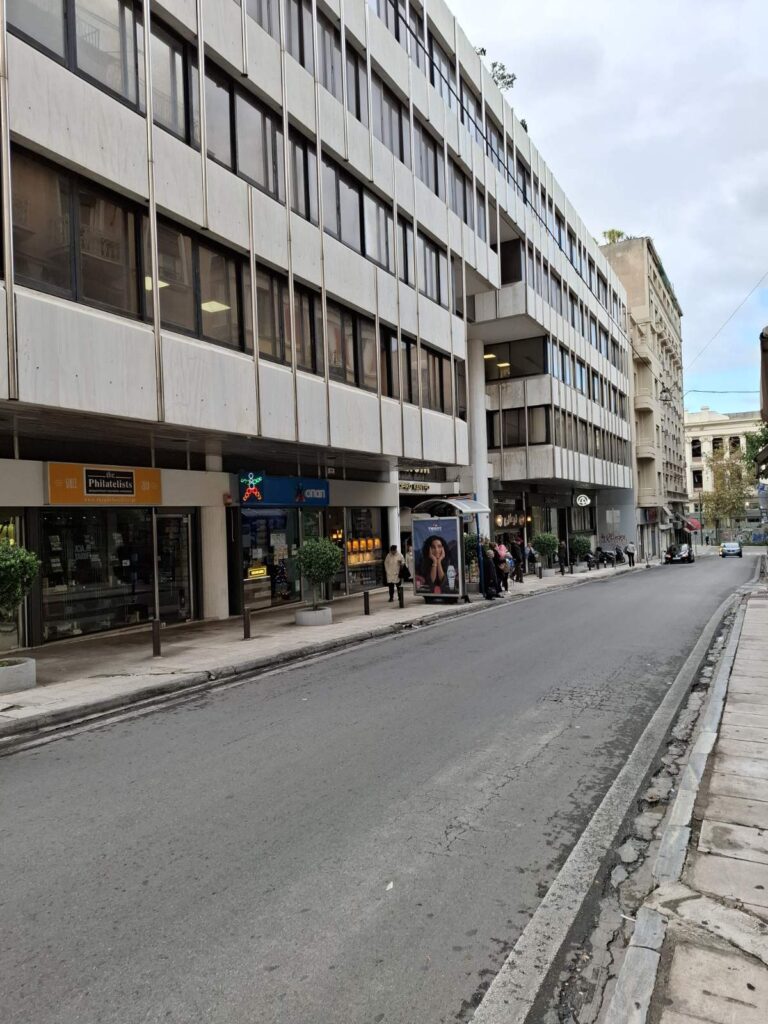
Steering the tourism market towards alternative forms of tourism requires strategic planning and commitment to the programme’s requirements. Diving, sailing, marine and spa tourism are linked to water, while other forms of tourism include cultural, touring, winter, agritourism, gastronomic, religious and sports tourism. Urban tourism (city breaks), which complements the main holiday, is also booming. Cooperation between state bodies, private enterprise and local organisations and associations is essential to draw up organised, coordinated plans that will be widely accepted.
Tourist arrival figures break records every year, and the number of incoming tourists is rising steadily. Most of the country’s airports have been handed over to private operators to be upgraded and run, which will also improve the quality of services.
Accommodation options for travellers have grown significantly through the Airbnb phenomenon. It is now a new choice of accommodation, with continuous growth in both the supply of and demand for homes and rooms. Effective property management, together with the renovation and adaptation of homes for tourist use, should ideally follow environmentally friendly techniques.
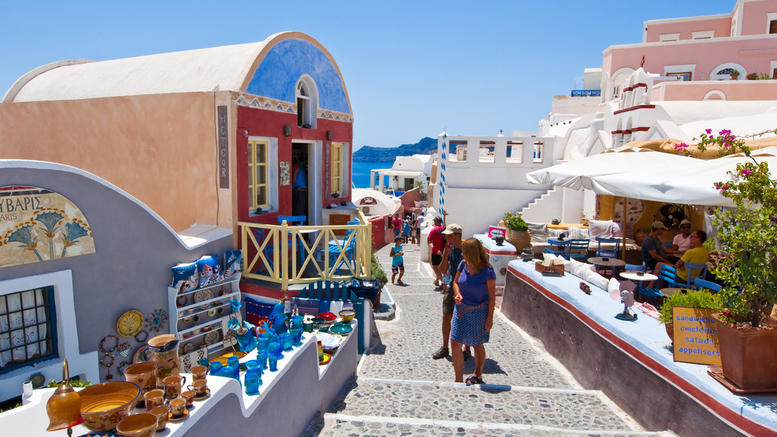
Greece offers a wide variety of options as a tourist destination. Its sights and tourist resources, Mediterranean climate, mainland coastline, islands, rich natural environment, the hospitality of its people, its long experience of incoming tourism and the instability in neighbouring Mediterranean countries all help create a strong and competitive “image” for Greece. The critical point lies in analysis, planning, implementation and control at every stage of putting strategic plans into practice.
The tourism product has certain characteristics, such as the inseparability of the services offered, perishability, interdependence, seasonality, high fixed costs, supply in a specific place and time, and the intangible nature of the product. Dealing with them requires continuous training of staff, reducing perceived risk and turning the intangible into tangible features.